cellcentric's new fuel cell makes 500 hp and fits a diesel engine bay
The Daimler-Volvo joint venture says its BZA375 system delivers 375 kW from a single unit, consumes under 6 kg of hydrogen per 100 km, and drops into the space vacated by a 13-litre diesel.

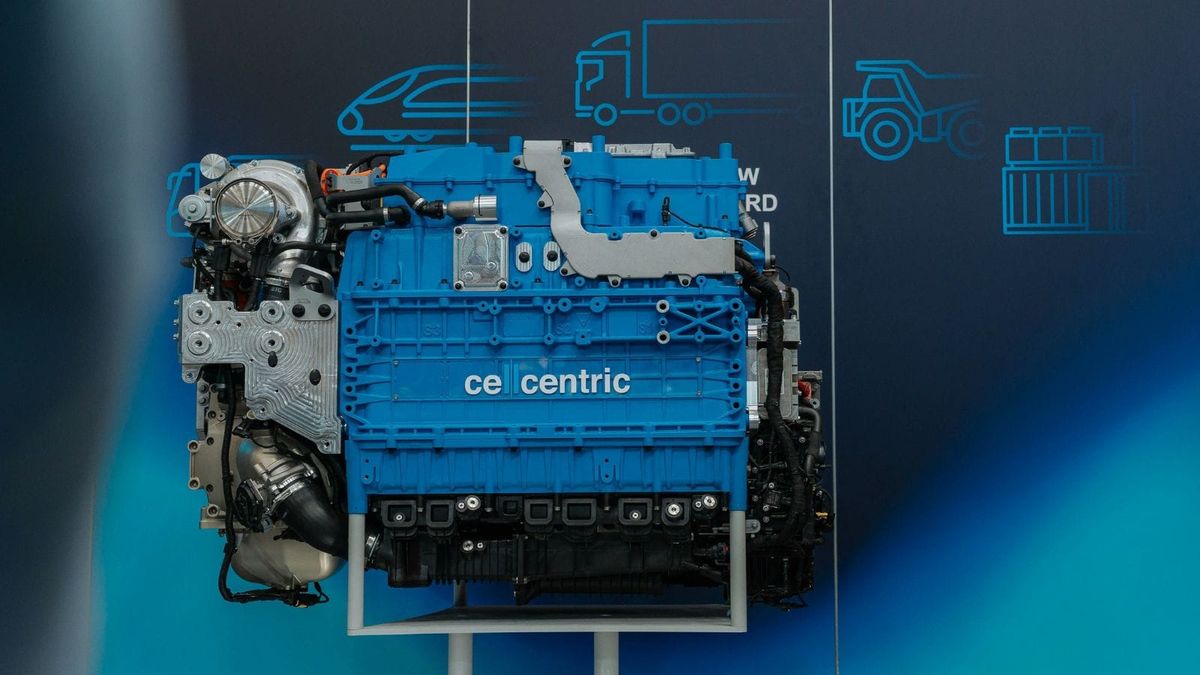
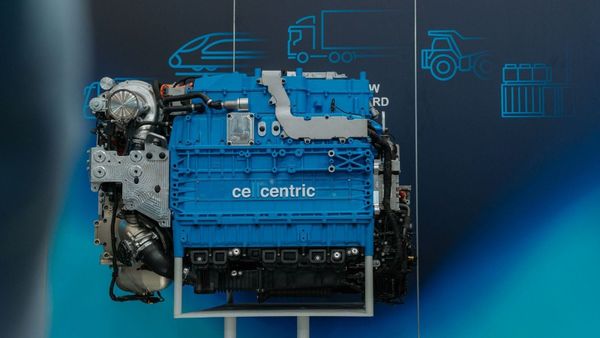
cellcentric has officially launched its next-generation fuel cell system at Hannover Messe, giving it a production name - BZA375 - and making prototypes available for customer testing. The system had been known internally as "NextGen" and has been in development for less than 3 years, according to the company.
The numbers that matter most are 375 kW of continuous net power (a shade over 500 hp), a weight under 500 kg, and a fuel consumption figure of less than 6 kg of hydrogen per 100 km for a fully loaded 40-tonne truck. cellcentric says the system enables ranges beyond 1,000 km.
Why single-system
The BZA375's predecessor, the BZA150, required 2 units running in parallel to produce 300 kW - a "twin-system" arrangement that complicated vehicle integration and added cost. BZA375 does away with that entirely. A single unit produces 375 kW, which is 25% more power than the twin system it replaces, from one package that cellcentric says will fit into engine compartments originally designed for conventional 13-litre diesel engines.
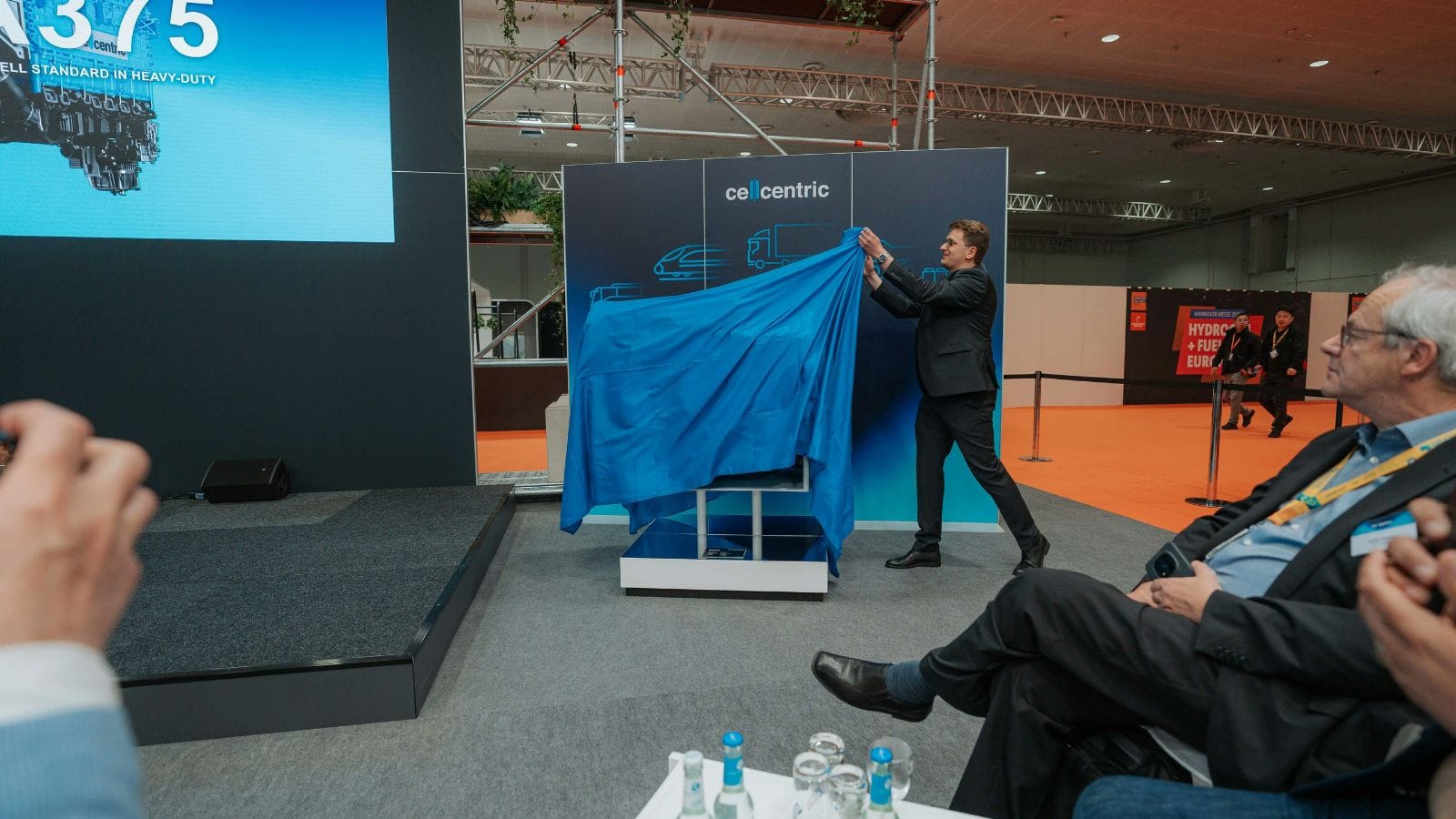
That is not a trivial claim. It means truck OEMs can, in theory, integrate the fuel cell into existing vehicle platforms without redesigning the chassis. For manufacturers weighing the cost of hydrogen programmes against the certainty of battery electric, that kind of drop-in compatibility removes a significant barrier.
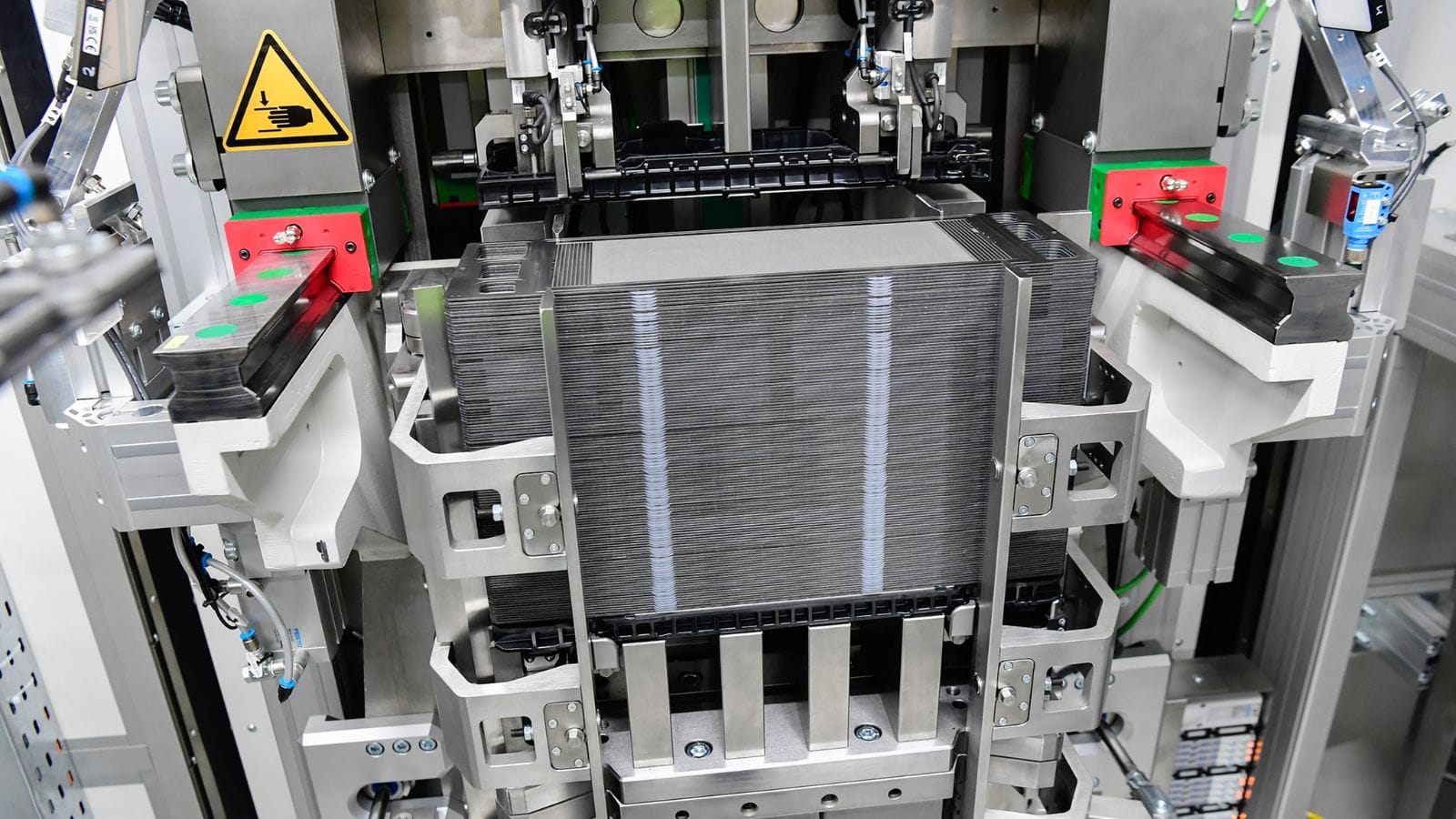
cellcentric claims a 40% improvement in power density over the BZA150, 40% less waste heat at 300 kW, and a 40% reduction in the number of components and interfaces. The service life remains unchanged at 25,000 hours - equivalent to roughly 10 years in a long-haul truck, which cellcentric says is comparable to a modern diesel engine.
Toyota arrives just in time
The BZA375 launch comes barely 3 weeks after Toyota signed a non-binding agreement to join cellcentric as an equal third shareholder alongside Daimler Truck and Volvo Group. Under the deal, Toyota would invest directly in cellcentric and the 2 companies would jointly manage the development and production of fuel cell unit cells - the core component of the stack.
The timing is worth noting. cellcentric was founded in 2021 as a joint venture between the world's 2 largest truck manufacturers. Adding Toyota - which has been developing automotive fuel cells since the early 1990s and currently supplies stacks for its Mirai passenger car and various commercial vehicle partnerships - gives cellcentric access to the broadest pool of fuel cell engineering experience in the industry. The venture now has more than 560 employees and roughly 700 patents to its name.
Both parent companies were keen to frame the launch in strategic terms. Daimler Truck CEO Karin Radstrom said BZA375 delivers "a new level of efficiency and performance," while Volvo Group CEO Martin Lundstedt described it as a "blueprint for zero-emission long-haul transportation." Both companies continue to run battery electric and hydrogen programmes in parallel.
What it is competing with
cellcentric is not operating in isolation. Bosch has begun volume production of its own fuel cell power module in Stuttgart and Chongqing, with pre-orders reportedly totalling around 100 MW before the official sales launch. Symbio, the Stellantis-backed manufacturer, has a 400 kW system of its own - though that is assembled from 4 packaged sub-systems rather than a single unit - and has been scaling production at its SymphonHy facility in France.
The single-system architecture is where cellcentric appears to hold an advantage. Delivering 375 kW from a single compact module, rather than pairing or ganging multiple units, simplifies integration, reduces potential failure points, and should help with cost.
The gap between prototype and production
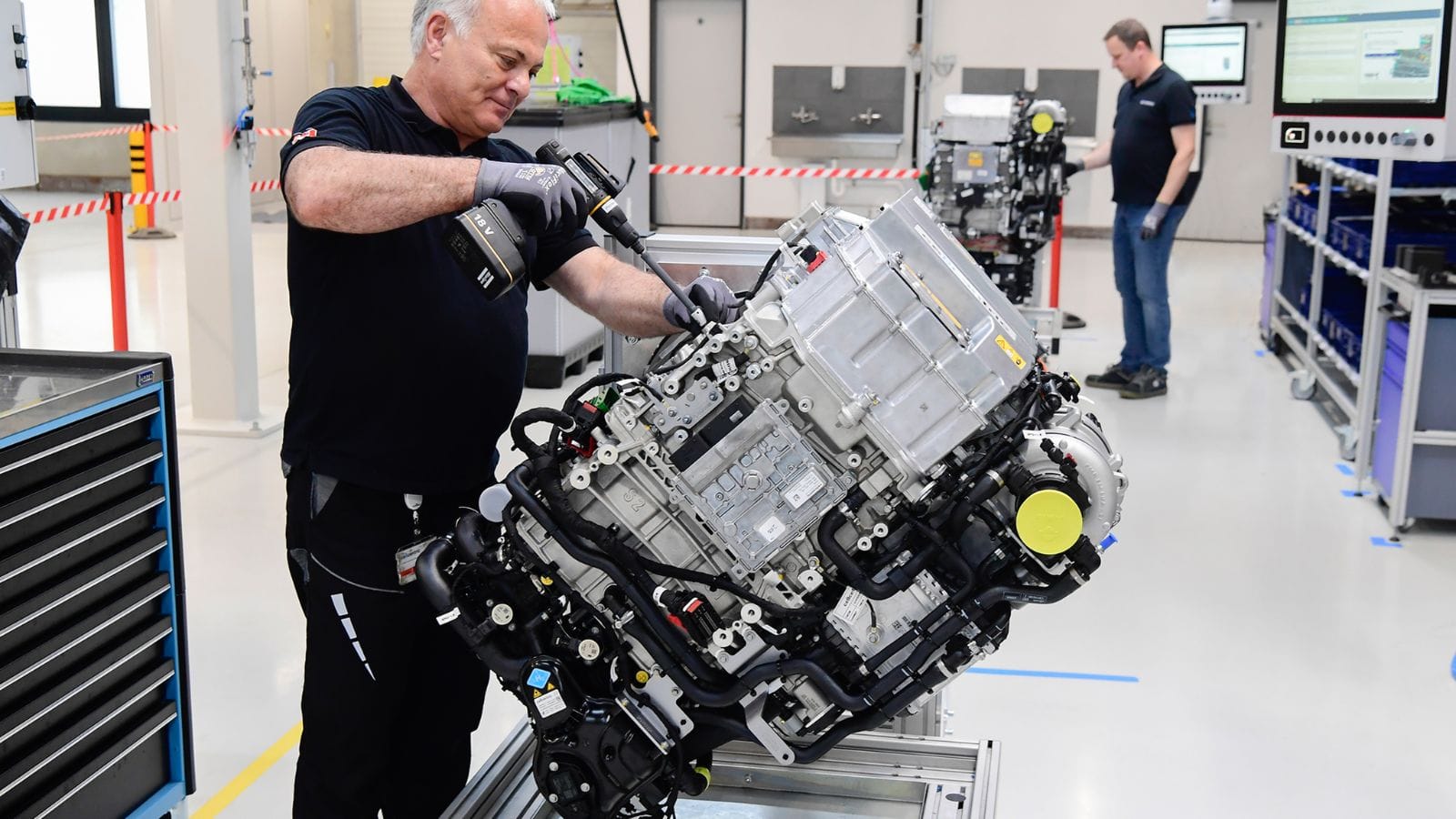
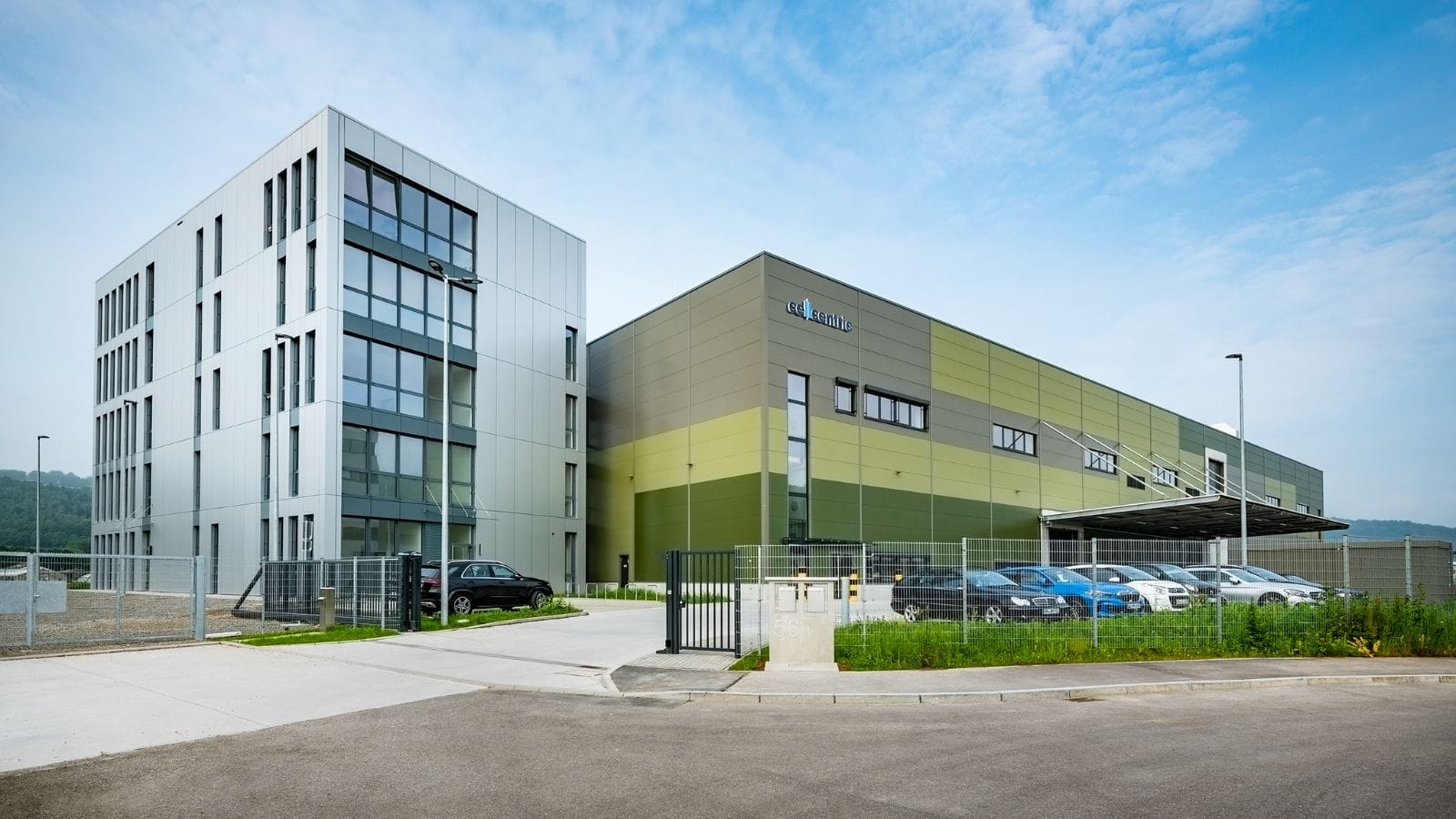
There is, however, a gap between what has been launched and what is going into trucks. Prototype production of the BZA375 has begun at cellcentric's facility in Esslingen, Germany, and prototypes are now available for customer testing and validation. But series production is not expected until the turn of the decade - roughly 2030.
In the meantime, Daimler Truck is building 100 Mercedes-Benz NextGenH2 semi-tractors at its Wörth plant using the older BZA150 twin-system from late 2026, with 85 kg of liquid hydrogen onboard and a demonstrated range of 1,047 km. Those trucks will serve as the first meaningful fleet deployment of cellcentric technology, even if the hardware they carry is already one generation behind.
cellcentric is also pitching the BZA375 beyond trucking. The company says the same system is suited to coaches, rail, mining vehicles, and stationary power generation - a one-product strategy designed to build the kind of production volumes that bring costs down.
Whether the economics work depends on more than the fuel cell itself. Hydrogen refuelling infrastructure for heavy-duty vehicles across Europe remains thin, and the AFIR regulation that mandates station buildout along major corridors is still in its early stages. cellcentric says it is actively contributing to the AFIR revision process through the European Commission's Sustainable Transport Forum.
The technology, though, is clearly advancing faster than the infrastructure around it. A 375 kW fuel cell that weighs less than 500 kg, lasts a decade, and fits where a diesel engine used to sit is not a concept any more. It is a product with a name, a spec sheet, and 3 of the world's largest vehicle manufacturers behind it.