China's Deepal promises new hydrogen car by 2027
Deepal, Changan's EV brand, plans a new hydrogen fuel cell car for 2027 with a second-gen system targeting lower costs. The existing SL03 claims 730 km range.
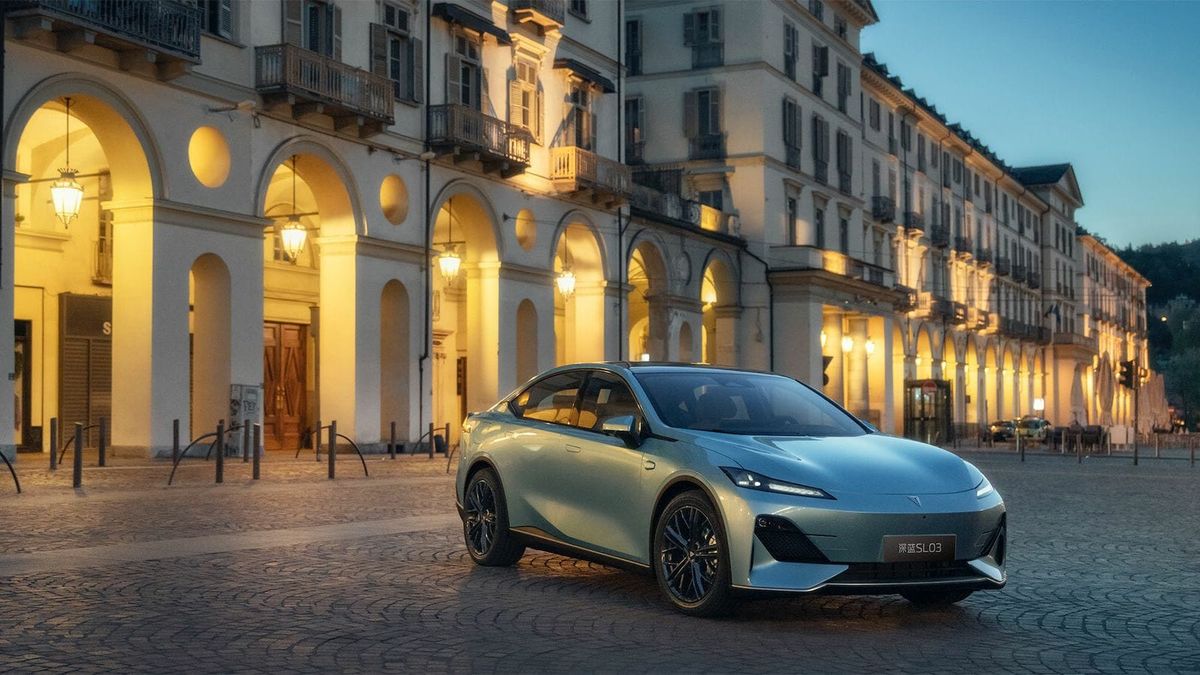
Changan's EV brand says a second-generation fuel cell system with improved efficiency and lower costs will power a new model, following the SL03 hydrogen variant - a mid-size saloon the company claims can cover 730 km on a single fill.
Deepal is the electric vehicle arm of Changan Automobile, one of China's largest state-owned automakers. The brand launched in 2022 and has since expanded across Asia. Its lineup spans battery-electric and range-extended models, but the hydrogen-powered SL03 variant makes it one of few Chinese manufacturers to put a fuel cell passenger car into production.
The company's global product development chief Yu Cheng announced the 2027 timeline at a conference in China this weekend, according to financial news outlet CLS. Yu said Deepal's first-generation fuel cell system has exceeded industry benchmarks by more than 10% across multiple performance indicators - though the company did not specify which benchmarks or provide independent verification.
That system powers the existing SL03 hydrogen variant, a mid-size saloon that Deepal says can manage 730 km of range on China's CLTC test cycle and refuel in around three minutes.
The second-generation system, now in development, targets improved efficiency alongside what Deepal describes as significant cost reductions to both the fuel cell stack and hydrogen storage - the two largest cost components in any fuel cell vehicle. The SL03 hydrogen version currently costs around 700,000 yuan (roughly £76,000).
The SL03 itself is a five-door hatchback roughly the size of a Tesla Model 3, offered in three powertrains: battery-electric with up to 705 km claimed range, range-extended with a 1.5-litre petrol generator and 1,200 km combined range according to Deepal, and the hydrogen variant. The fuel cell version uses a 160 kW electric motor fed by a 28.4 kWh lithium iron phosphate buffer battery.
China's fuel cell vehicle fleet reached roughly 40,000 units by the end of 2025, supported by over 570 hydrogen refuelling stations - though the vast majority are commercial vehicles like trucks and buses operating fixed routes where centralised refuelling is practical. The government's latest policy targets 100,000 fuel cell vehicles by 2030, with continued expansion of the refuelling network along major logistics corridors.
A 2027 launch would put Deepal in direct competition with the established players. Hyundai's second-generation Nexo arrived earlier this year with a claimed 826 km WLTP range and a third-generation fuel cell system, while Toyota's Mirai offers around 650 km. BMW's iX5 Hydrogen, currently in pilot fleet testing, is expected in series production by 2028.