Phinia converts diesel Ducato into first road-legal hydrogen combustion van
The first hydrogen combustion van certified for road use is now at UC Riverside for independent testing - claiming 500 km range and a 99% CO2 cut over diesel.

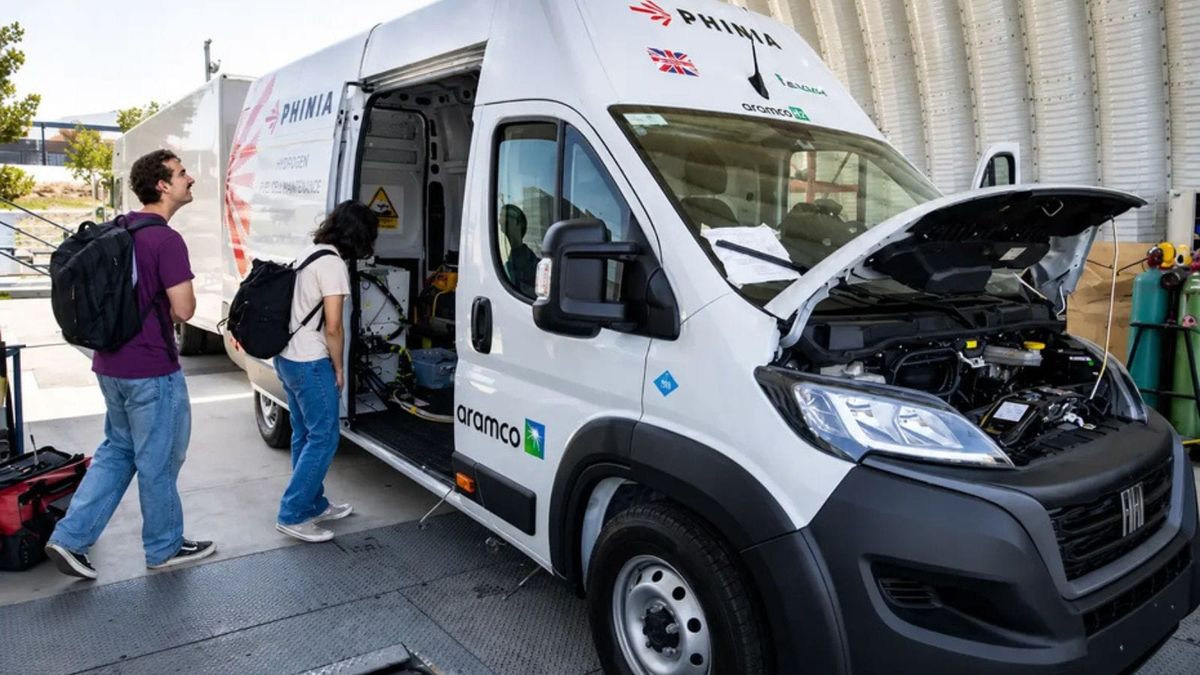
A Fiat Ducato van converted from diesel to hydrogen internal combustion has arrived at the University of California, Riverside for independent performance and emissions testing - the first programme of its kind in the US, according to the university. The Ducato was retrofitted by fuel systems specialist Phinia using a hydrogen direct injection system developed with Saudi Aramco, and is the first H2-ICE light commercial vehicle to achieve road certification under Euro 7 emissions standards.
The same vehicle was shown at ACT Expo in Las Vegas in early May, where visitors could drive it through the event's Ride & Drive programme. It has since been shipped from France to UCR's Centre for Environmental Research and Technology, known as CE-CERT, where researchers will run both laboratory and on-road testing.
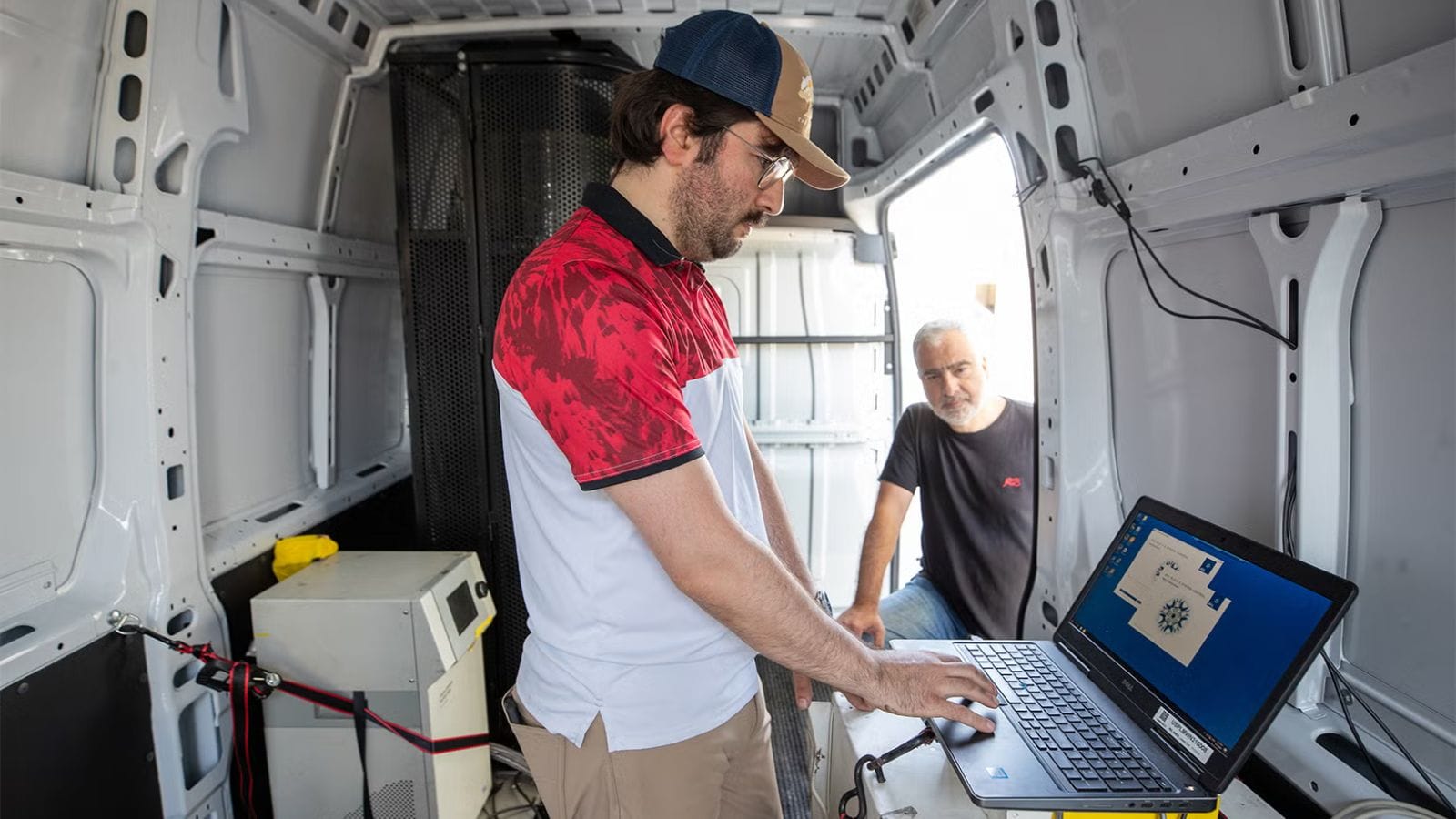
Results will be published in peer-reviewed journals and presented at scientific conferences, according to Georgios Karavalakis, a professor of chemical and environmental engineering at UCR and co-director of the Hydrogen Engine Alliance of North America.
The specs
Phinia says the Ducato delivers torque and power comparable to the diesel original, manages a real-world range of around 500 km - roughly 310 miles - on hydrogen, and can carry up to 6 passengers. The company claims a 99% reduction in tailpipe CO2 compared with diesel. Its direct injection system introduces hydrogen after the intake valves have closed, eliminating the risk of premature ignition in the intake manifold - a long-standing challenge with port-injected hydrogen engines. Full performance and emissions data will be verified and published by CE-CERT.
Who else is building hydrogen engines
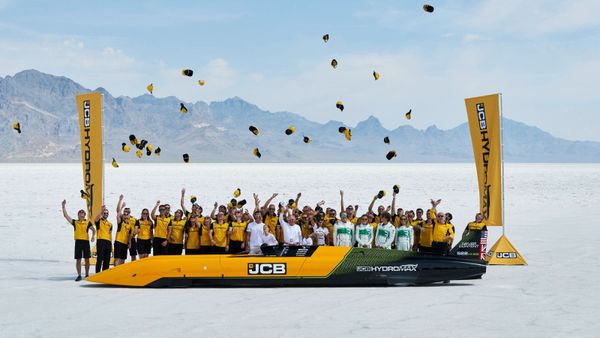
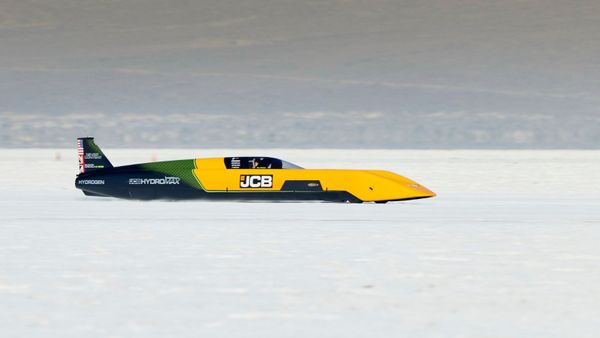
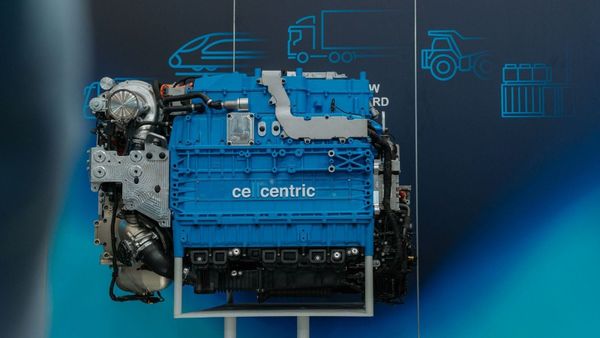
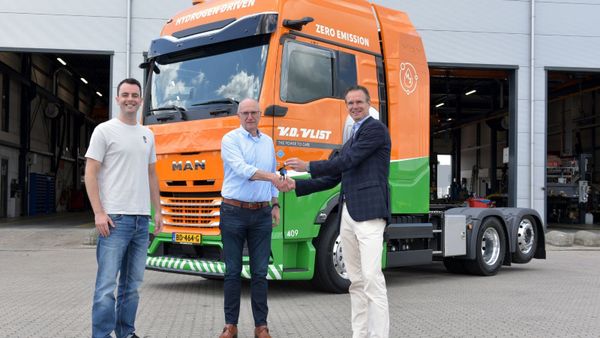
Phinia is not operating in isolation. Cummins completed development of its 6.7-litre B6.7H hydrogen engine in early 2025 and has begun production at a dedicated facility in Jamshedpur, India, with initial deliveries to Tata Motors for medium-duty applications. Volvo plans on-road testing of hydrogen combustion trucks this year, with a commercial launch targeted for the end of the decade. JCB's H2-ICE construction machines are entering pilot operations across Europe, and MAN is developing a hydrogen variant of its TGX heavy-duty platform.
The Ducato, though, appears to be the first light commercial vehicle to achieve full road certification with a hydrogen internal combustion engine - as distinct from the fuel cell vans already offered by Stellantis and others, though Stellantis cancelled its own FCEV van programme in mid-2025 citing infrastructure and cost barriers.
EU law classifies H2-ICE as zero-emission
Under the EU's revised heavy-duty vehicle CO2 standards adopted in mid-2024, hydrogen combustion vehicles qualify as zero-emission based on their tailpipe output - putting H2-ICE on the same regulatory footing as fuel cell and battery electric vehicles, particularly relevant for duty cycles where battery weight and charging time are constraints.
"The technology is mature"
Karavalakis told UCR that the main US barriers to hydrogen adoption are infrastructure and fuel cost, not the engine technology. "The technology is mature," he said. "Manufacturers know how to build these engines and these vehicles. What we need is the infrastructure, the fuel, and affordable green hydrogen."
He compared hydrogen's current position to where battery electric vehicles stood roughly 15 years ago, before charging infrastructure caught up with the technology. Green hydrogen production costs in the US have dropped around 45% since 2020, with electrolyser capital costs falling from $1,200-$1,500 per kW to $700-$1,000 per kW, though unsubsidised green hydrogen still costs between $4.50 and $12 per kg.
The CE-CERT programme is backed by the Hydrogen Engine Alliance of North America, an initiative UCR and the University of Michigan launched in February 2025 with industry partners to advance hydrogen-powered engines as a zero-carbon transport option.