ZeroAvia signs Marshall Aerospace as defence hydrogen push accelerates
The two UK aerospace firms will target uncrewed systems, surveillance platforms, and specialist mission aircraft, combining ZeroAvia's flight-tested hydrogen-electric propulsion with Marshall's military modification expertise.

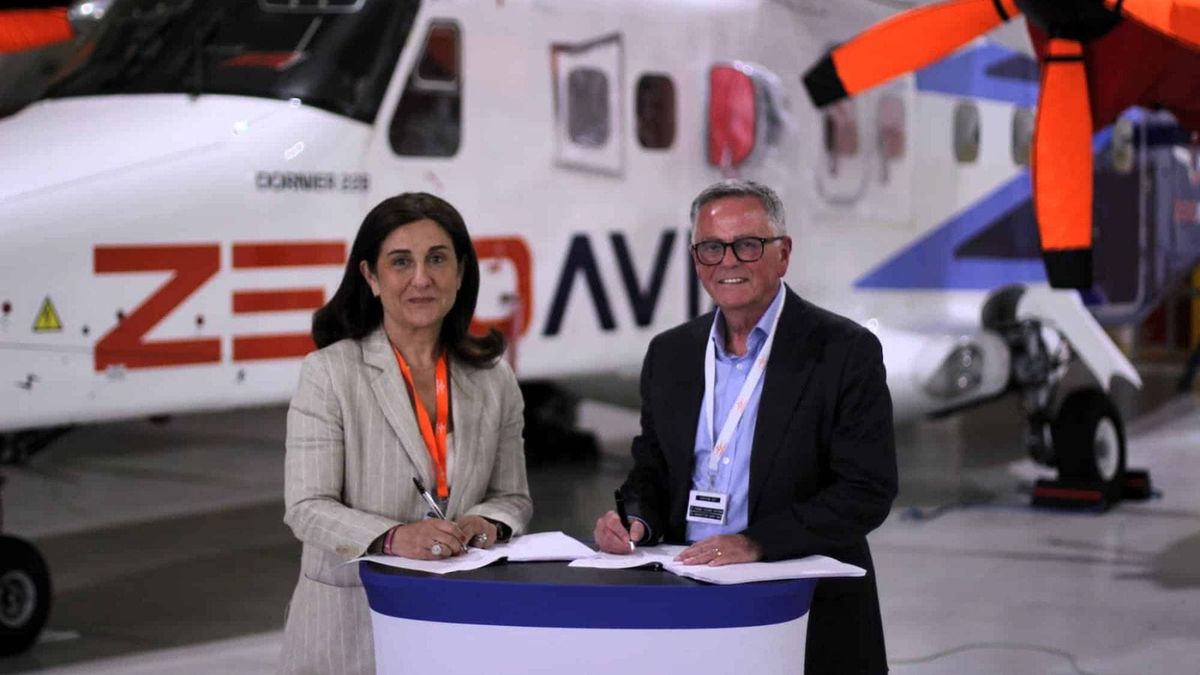
ZeroAvia, the UK hydrogen-electric aviation developer, and Marshall Aerospace, the Cambridge-based military aircraft modification specialist, have announced a collaboration to explore how hydrogen fuel cell propulsion could be applied to defence platforms.
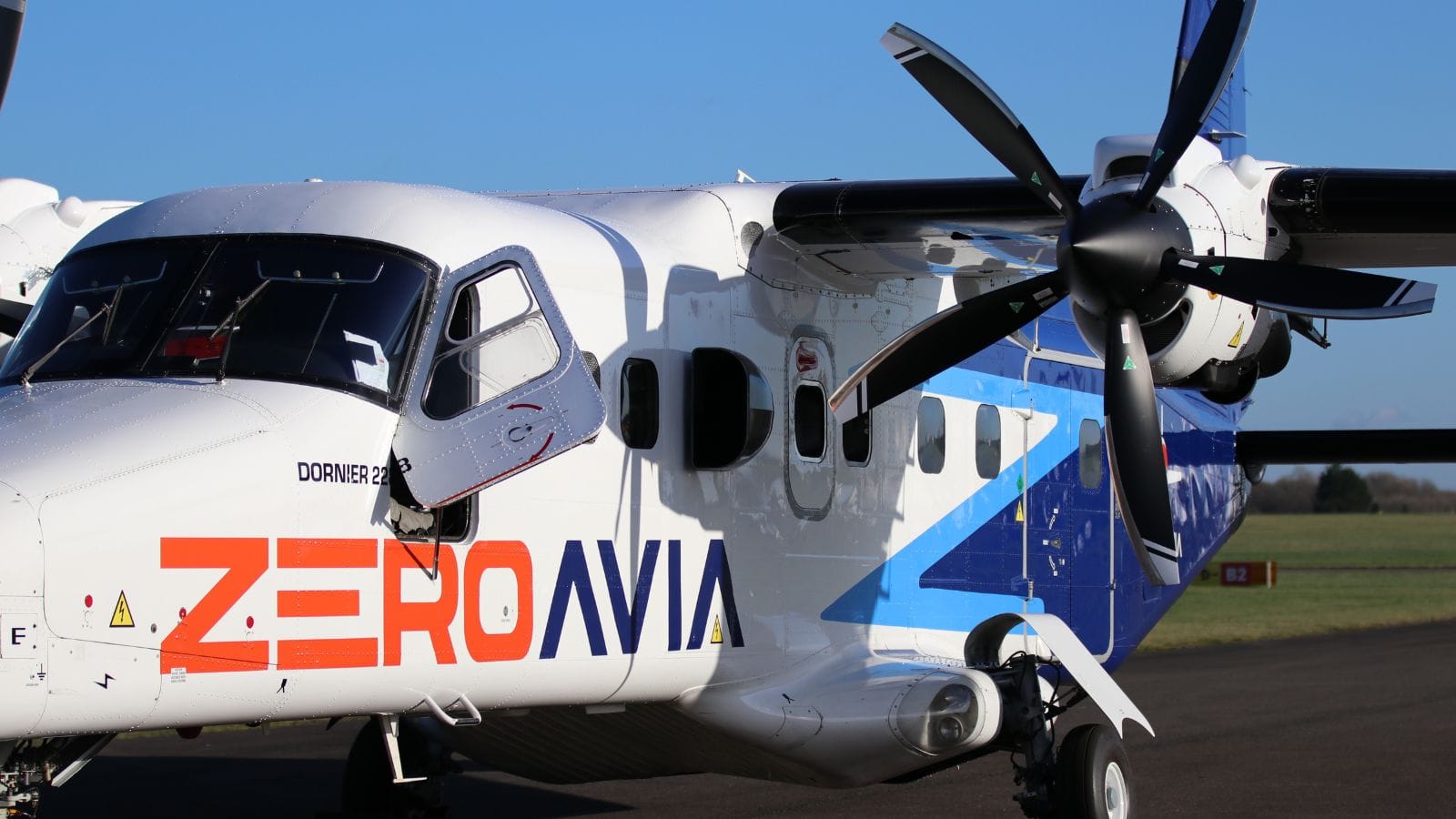
The two companies say the initial focus will include uncrewed systems, surveillance platforms, logistics aircraft, training, and specialist mission aircraft - though neither has named specific aircraft types, and both describe the effort as early-stage, focused on prototyping and evaluation. They will combine ZeroAvia's flight-tested hydrogen-electric technology - demonstrated on a modified Dornier 228 twin-turboprop in January 2023 - with Marshall's decades of experience in military aircraft modification, integration, and certification.
The military wants cooler exhausts
"Defence applications are already demanding greater endurance, lower thermal signatures and more operational flexibility, and we're focused on proving where this technology fits," said Christine Ourmières-Widener, ZeroAvia's Executive Chair.
Hydrogen fuel cells produce electricity through an electrochemical reaction rather than combustion, which means the exhaust runs significantly cooler than a conventional turboprop - ZeroAvia's own defence whitepaper, published in November 2025, claims infrared radiation can be reduced by up to 80 times.
For unmanned platforms in particular, hydrogen's energy density advantage over batteries means substantially longer endurance without refuelling, and the fuel itself can be produced in the field from water and electricity, reducing dependence on the kind of supply chains that become vulnerable in contested environments.
60 years of Hercules, and now hydrogen
Marshall has been the RAF's designated support partner for the C-130 Hercules since 1966, holds Sister Design Authority status for the aircraft, and now serves 17 government operators globally - including the US Marine Corps, the Royal Netherlands Air Force, and the Indian Air Force. More recently, its Futureworx innovation division has been developing liquid hydrogen fuel systems through the H2GEAR programme - funded by the UK's Aerospace Technology Institute - alongside GKN Aerospace and Parker Aerospace.
"With our deep experience in complex aircraft modification and certification, we are well positioned to help translate this transformative technology into operational capability for defence customers," said Bob Baxter, Marshall's CEO.
The growing defence hydrogen field
The collaboration follows a period of significant change at ZeroAvia. Ourmières-Widener - formerly chief executive of flybe and TAP Air Portugal - has been leading the company as Executive Chair since founder Val Miftakhov stepped down as CEO in May. ZeroAvia has increasingly focused on defence applications alongside its continuing civil aviation certification programme.
Its modular SuperStack Flex fuel cell system - which the company says delivers more than 1 kW per kilogram of power density at system level - is already being supplied to defence customers. The company secured UK Civil Aviation Authority Design Organisation Approval in November 2025, and the US Federal Aviation Administration published special conditions for its 600 kW ZA600 powertrain in April.
ZeroAvia and Marshall are not operating in an empty field. The US military has funded hydrogen propulsion development for rotorcraft and drones, the Air Force is testing hydrogen for agile combat logistics, and the Defense Innovation Unit has cleared Heven Aerotech's Z1 Blue as the first hydrogen-powered drone approved for rapid military deployment.
In the UK, the RAF conducted hydrogen fuel cell trials at 3 bases in 2023. The broader defence fuel cell market is projected to reach $51.7 billion by 2033, according to industry forecasts, and the UK's Defence Industrial Strategy identifies dual-use technologies as a priority for sovereign industrial capability.