Alstom brings hydrogen fuel cell production in-house after Cummins retreat
Alstom acquires Cummins rail fuel cell operations to secure supply for iLint hydrogen train fleets after supplier's $458m hydrogen retreat.

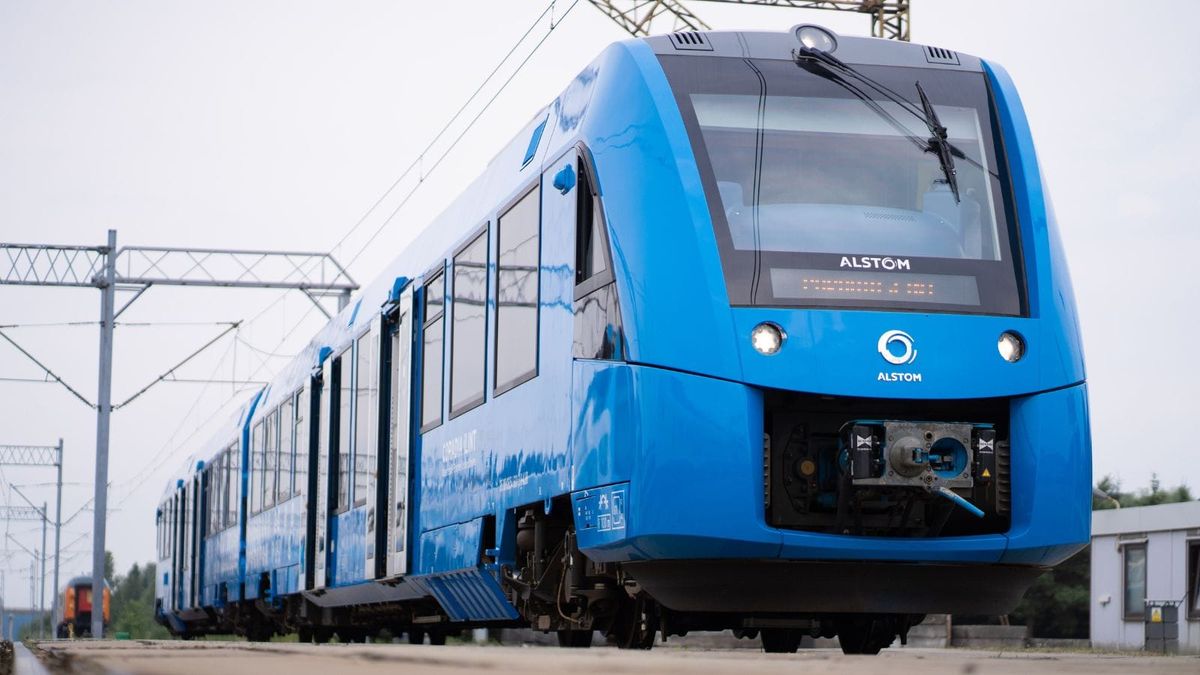
Alstom says it has acquired Cummins' rail-dedicated hydrogen fuel cell operations, securing the supply chain for its existing train fleets after its American supplier began withdrawing from the hydrogen market.
The deal, announced last week, brings engineering, product, and support capabilities in-house - the same components Alstom has been sourcing from Cummins (via its Hydrogenics subsidiary) since the iLint programme began. The acquisition covers rail-specific fuel cell activities only, not Cummins' broader hydrogen business, which the American engine manufacturer has been scaling back after booking $458 million in charges during 2025.
Alstom says the move will help it "support reliability growth and maintenance for our installed fleet" and "conclude the development of our contracted programs." Chief Operating Officer Danny Di Perna described the approach as "focused and disciplined, with a clear priority on what matters most."
What matters most, evidently, is keeping existing trains running. Alstom has iLint hydrogen fleets operating in Germany's Lower Saxony (14 trains) and contracted for the Frankfurt region (27 trains), plus orders for six Coradia Stream hydrogen units in Italy and 12 Coradia Polyvalent trains across four French regions.
The German operations have had a difficult couple of years - reliability problems forced RMV to temporarily replace part of its hydrogen fleet with leased diesel trains in 2025, prompting the regional authority's chairman to accuse Alstom of doing "a disservice to novel forms of traction."
By acquiring the fuel cell capabilities directly, Alstom gains control over the technology that sits at the heart of those reliability problems. The company has committed to fitting new-generation fuel cells across the iLint fleet as part of a modernisation programme already underway.
Cummins remains active in hydrogen fuel cells for trucks and buses, and is developing hydrogen internal combustion engines. The rail-specific fuel cell business - originally Hydrogenics, which Cummins acquired in 2019 - was a smaller part of the portfolio. Cummins has been scaling back its electrolyser business after booking $458 million in charges during 2025, but continues to supply fuel cells for road transport.
Alstom maintains that hydrogen "remains an important solution" for long-haul, non-electrified rail lines where battery range falls short.