Volvo begins road trials of hydrogen trucks using LNG tech
The trucks use the same HPDI fuel injection system already running in more than 10,000 Volvo gas-powered vehicles - adapted for hydrogen with minimal changes.

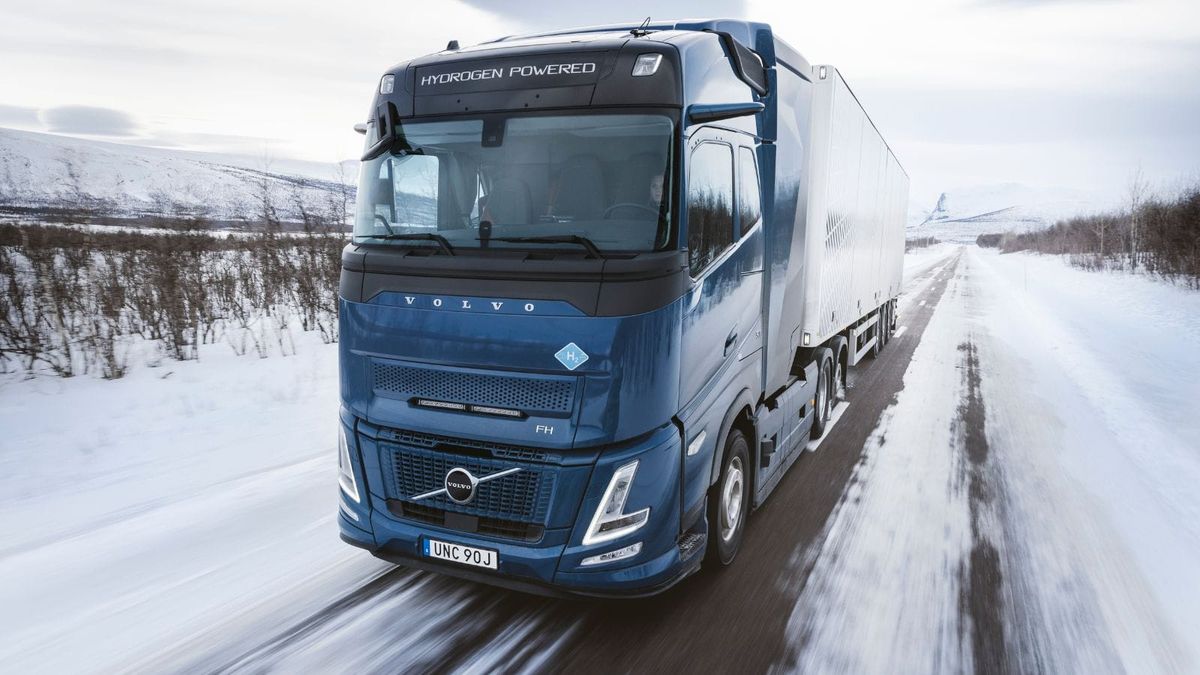
Volvo Trucks has begun on-road testing of heavy trucks with hydrogen combustion engines, using fuel injection technology lifted directly from its existing gas-powered fleet. Commercial launch is planned before 2030.
The trucks use High Pressure Direct Injection (HPDI) from Cespira, the joint venture Volvo formed with Canadian supplier Westport Fuel Systems in mid-2024. HPDI injects a small dose of pilot fuel at high pressure to trigger compression ignition, then adds hydrogen to complete the combustion cycle.
It's the same principle behind Volvo's LNG trucks - more than 10,000 of which are already running globally - with Cespira describing the hydrogen version as "fundamentally the same system" with minor modifications.
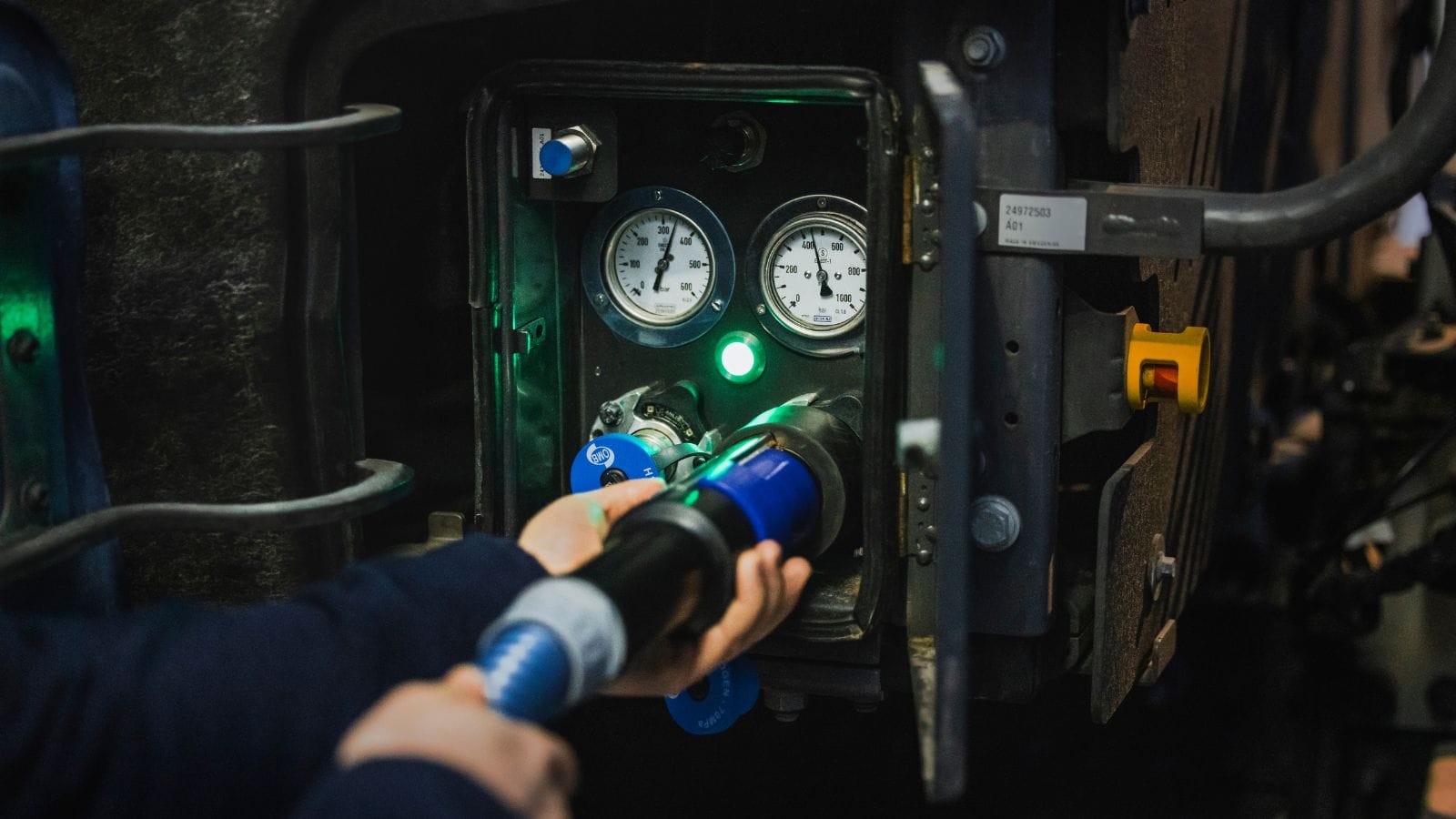
The appeal for truck makers is that hydrogen combustion lets them keep their existing diesel engine architectures, manufacturing lines and service networks. "Customers will be able to operate them just like diesel trucks," said Jan Hjelmgren, Volvo Trucks' head of product management.
Westport's CEO Dan Sceli was blunter, noting the technology lets OEMs "preserve their existing engine architecture, leverage existing engineering talent and experience, installed investments, and decades of technology development."
There is a trade-off. Hydrogen combustion engines are typically 20-30% less efficient than fuel cells, according to industry analyses - meaning they burn more hydrogen per kilometre. Fuel cell electric trucks convert hydrogen to electricity at 40-60% efficiency and emit only water; combustion engines also produce some NOx. Volvo itself acknowledges that fuel cells "work more efficiently" while combustion engines "are cheaper to produce."
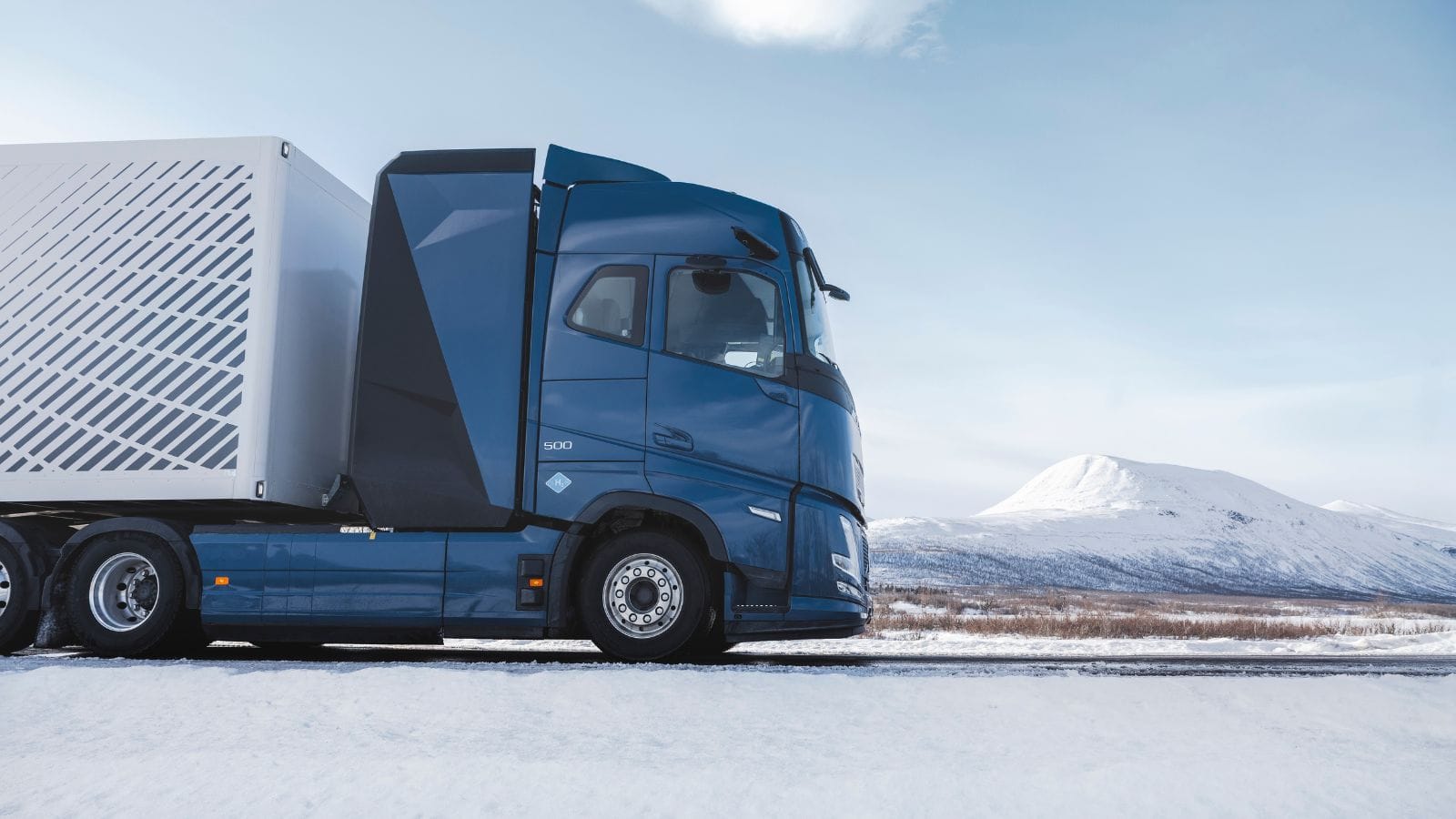
When fuelled with green hydrogen and renewable HVO as the pilot fuel, Volvo says the trucks qualify as Zero Emission Vehicles under EU CO2 standards. The company is hedging its bets, developing fuel cell trucks for low-volume production before 2030 alongside its existing battery electric range. The stated rationale is that different technologies suit different use cases - hydrogen combustion for long haul and regions with sparse charging, batteries for shorter routes.
The infrastructure question looms over both approaches. EU regulation requires hydrogen refuelling stations every 200km along the TEN-T core network by 2030, but deployment is running behind schedule. Germany launched fresh funding in January 2026 for up to 40 truck-capable stations; the H2Accelerate TRUCKS consortium expects 125 fuel cell trucks operating across six countries by 2028. For now, neither hydrogen combustion nor fuel cell trucks have much to refuel at.