Italy writes EU green hydrogen targets into national law after delay
Decree transposes RED III with binding targets requiring 42% of industrial hydrogen to be renewable by 2030, rising to 60% by 2035. Transport sector must reach 1% green hydrogen by decade's end. Italy had faced infringement proceedings over late transposition.

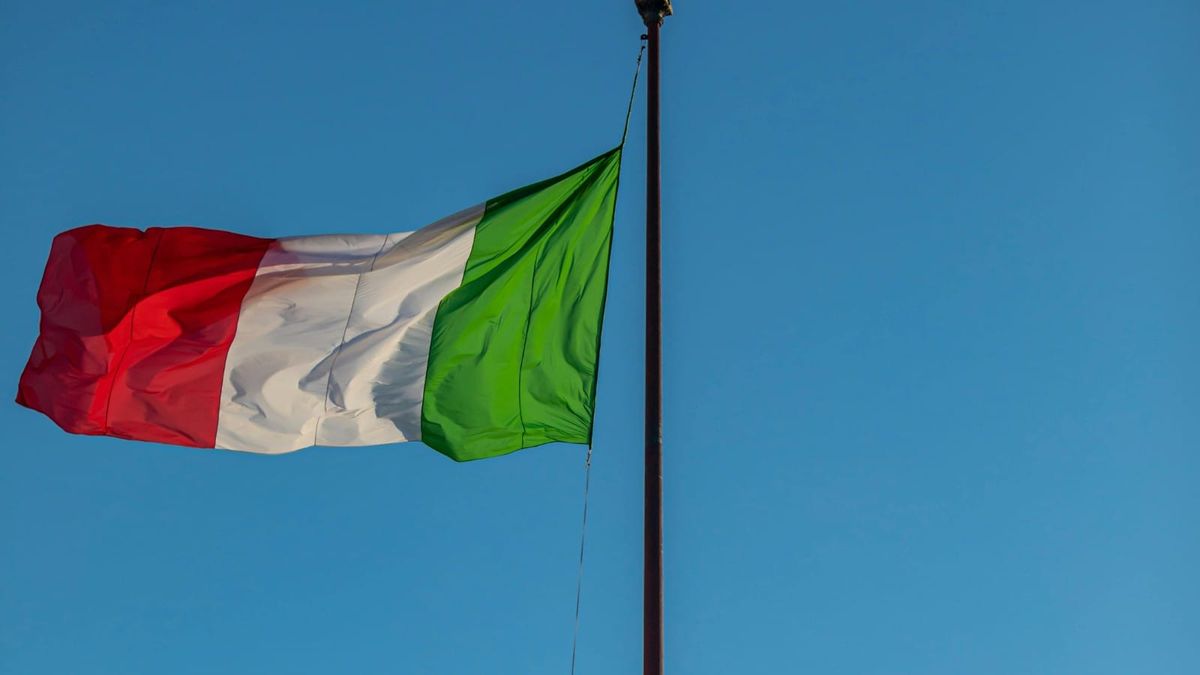
Italy has transposed the EU's Renewable Energy Directive III into national law, writing binding targets for green hydrogen into its legal framework after missing the original deadline by more than seven months.
Decreto Legislativo 9 gennaio 2026, n. 5, published in the Gazzetta Ufficiale on 20 January and in force from today (4 February 2026), requires that 42% of hydrogen used in Italian industry comes from renewable sources by 2030, rising to 60% by 2035. These figures match the RED III directive to the letter, with no national variation.
For transport, Italy must reach 29% renewable energy by 2030, with at least 1% coming from green hydrogen - formally known as "renewable fuels of non-biological origin" or RFNBO. The term covers hydrogen produced by electrolysis using renewable electricity.
The transposition closes a gap that had put Italy at odds with Brussels. The European Commission sent infringement letters to 26 member states in September 2024 after they missed the 1 July 2024 deadline for permitting-related provisions. Italy then received a reasoned opinion in February 2025 for failing to notify any transposition measures - the step before a referral to the European Court of Justice. The full transposition deadline was 21 May 2025.
Italy's national hydrogen strategy, first outlined in 2020, targets 5 GW of electrolyser capacity by 2030 and aims for hydrogen to reach 2% of final energy demand. The country currently produces around 480,000 tonnes of hydrogen annually, almost all of it grey hydrogen derived from natural gas. ENI accounts for roughly 330,000 tonnes of that total, used primarily in its refineries.
Whether Italy can meet the 42% green hydrogen target with domestic production remains an open question. The country is developing hydrogen import infrastructure, including the SunsHyne Corridor project to bring green hydrogen from North Africa, and the South H2 Corridor linking production sites to northern Europe via the European Hydrogen Backbone.
The decree's 51 articles also cover renewable energy targets for buildings, industry and biomass, and establish "acceleration zones" for faster permitting of renewable projects. Italy's overall target is now 39.4% renewable energy in gross final consumption by 2030.