Hyundai brings earthquake-ready NEXO and HTWO brand to Japan
Redesigned fuel cell SUV gets Vehicle-to-Home capability for the Japanese market, with Hyundai showing stations, trucks and trams alongside the car.
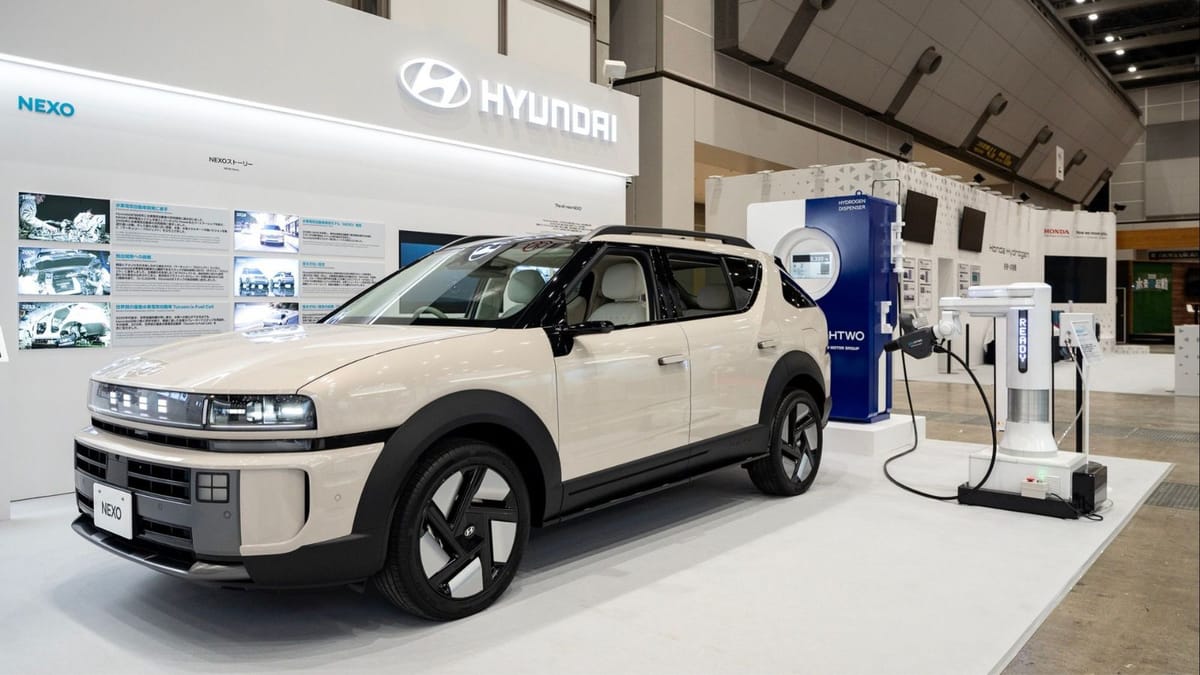
Hyundai Motor Group has launched its HTWO hydrogen brand in Japan at the H2&FC Expo in Tokyo, bringing the redesigned NEXO fuel cell SUV to a market where hydrogen vehicle sales have fallen 83% since 2021.
The Japan-spec NEXO adds Vehicle-to-Home capability, which allows the car to supply backup power to a house during earthquakes or blackouts - a feature Toyota already offers on its Crown FCEV in Japan but which is new to the NEXO. It sits alongside the existing Vehicle-to-Load function, and Hyundai says pricing and full specifications will follow in the first half of 2026.
The redesigned NEXO - Hyundai's first full update to the fuel cell SUV since the original launched in 2018 - was revealed at the Seoul Mobility Show in April 2025 and went on sale in Korea two months later.
Hyundai claims 826 km of WLTP range from a 6.69 kg hydrogen tank, up from around 666 km and 6.3 kg in the previous model, with refuelling in around 5 minutes. Total system output rises from 135 kW to 190 kW, according to the company, bringing the 0-100 km/h time down from 9.2 seconds to 7.8.
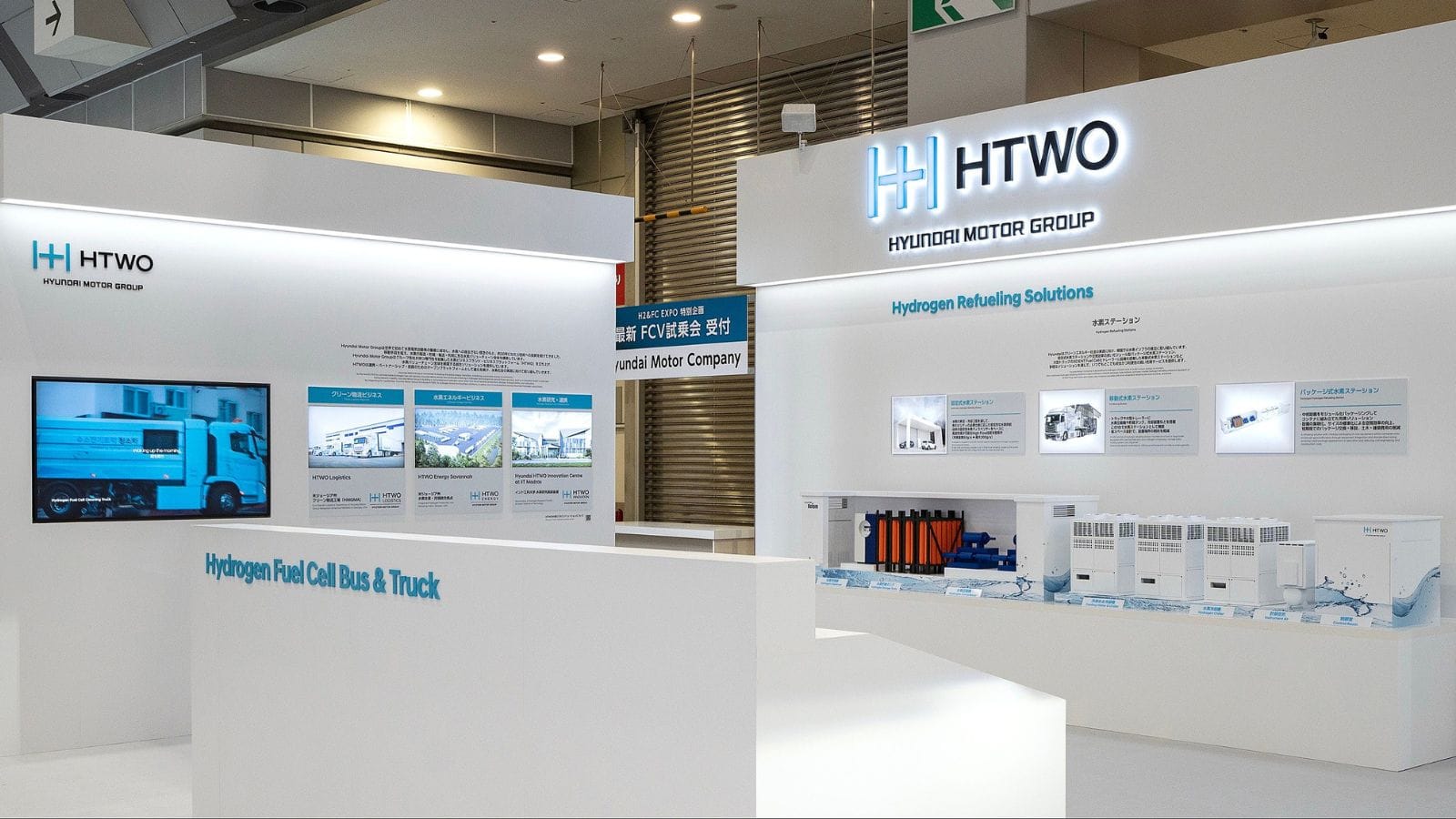
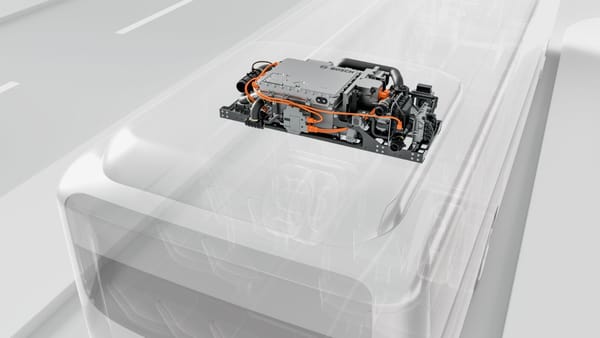
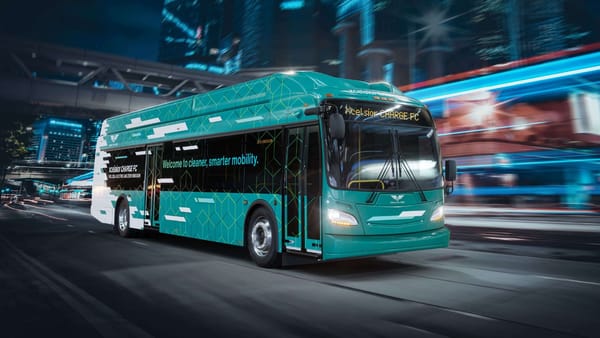
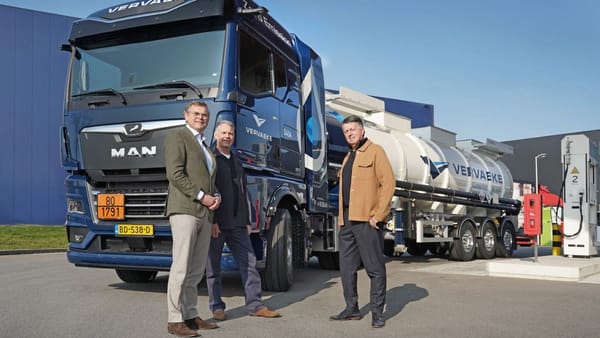
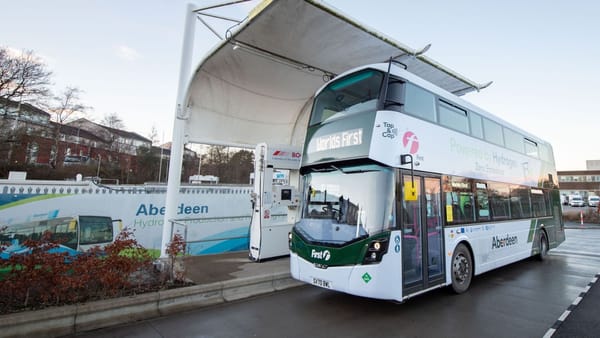
The Tokyo booth goes beyond the car. Hyundai is showing a packaged hydrogen refuelling station concept, a hydrogen tram, fuel cell buses and trucks, and an automated hydrogen charging robot called the ACR-H. The company says it will also convene Hydrogen Council members in Japan "to accelerate joint efforts to scale the hydrogen economy across both nations."
Japan's domestic hydrogen car market, meanwhile, has struggled. According to recent industry data, only 431 fuel cell vehicles were sold in 2025, down from around 2,500 in 2021. The country has 149 hydrogen stations - 10% fewer than five years ago - and subsidies for FCEVs are being cut from April. Toyota's Mirai, which went on sale in Japan in December 2014, has not reversed the decline.
Hyundai remains the world's largest FCEV manufacturer by volume.