Bosch adds roof-mounted fuel cell module for city buses to hydrogen portfolio
The German supplier expands its fuel cell power module range with a compact unit designed to sit on top of 12- to 18-metre urban buses.

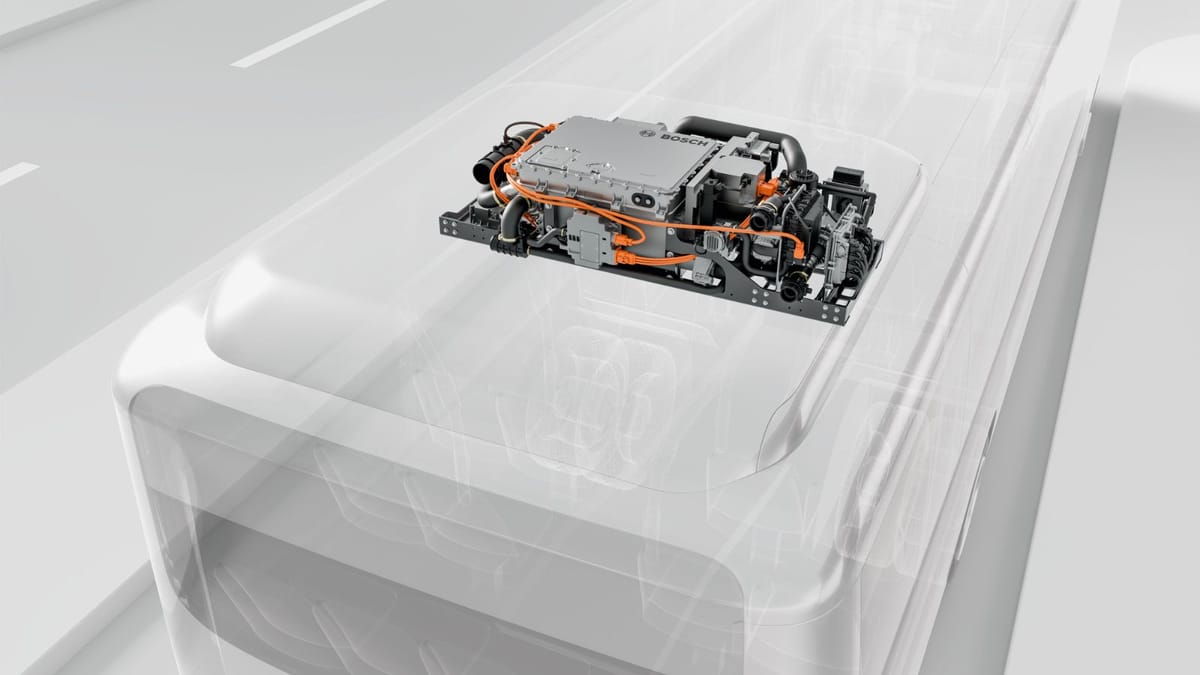
Bosch has unveiled a new fuel cell system for city buses at the Mobility Move trade fair in Berlin, adding to its existing lineup of hydrogen powertrains for heavy-duty vehicles.
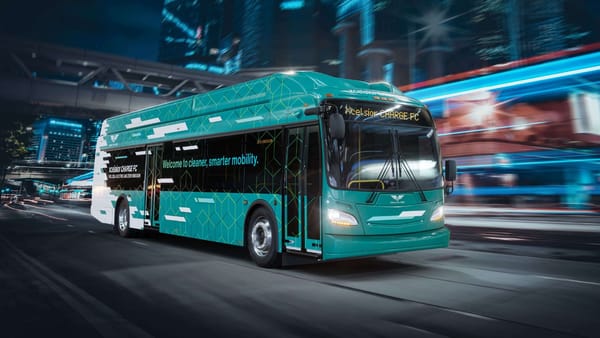
The FCPM C100 is a compact variant of the company's fuel cell power module, standing just 40 centimetres tall and designed for roof mounting on urban buses between 12 and 18 metres long - a configuration common across European fleets.
The module slots into a portfolio that now spans 100 to 300 kW, covering city buses at the lower end, intercity coaches in the middle with the 190 kW C190, and heavy trucks at the top with the 300 kW C300.
Bosch says it will begin testing the C190 in demonstration vehicles during the first half of 2026. The C100 uses standard CAN bus and diagnostic interfaces, which the company claims will simplify integration for bus manufacturers.
Bosch has invested roughly €2.5 billion in hydrogen technology between 2021 and 2026, with ambitions to generate €5 billion in hydrogen-related sales by 2030. The company won the German Future Prize at the end of 2025 for its fuel cell work, and several thousand trucks fitted with its power modules are now operating globally.
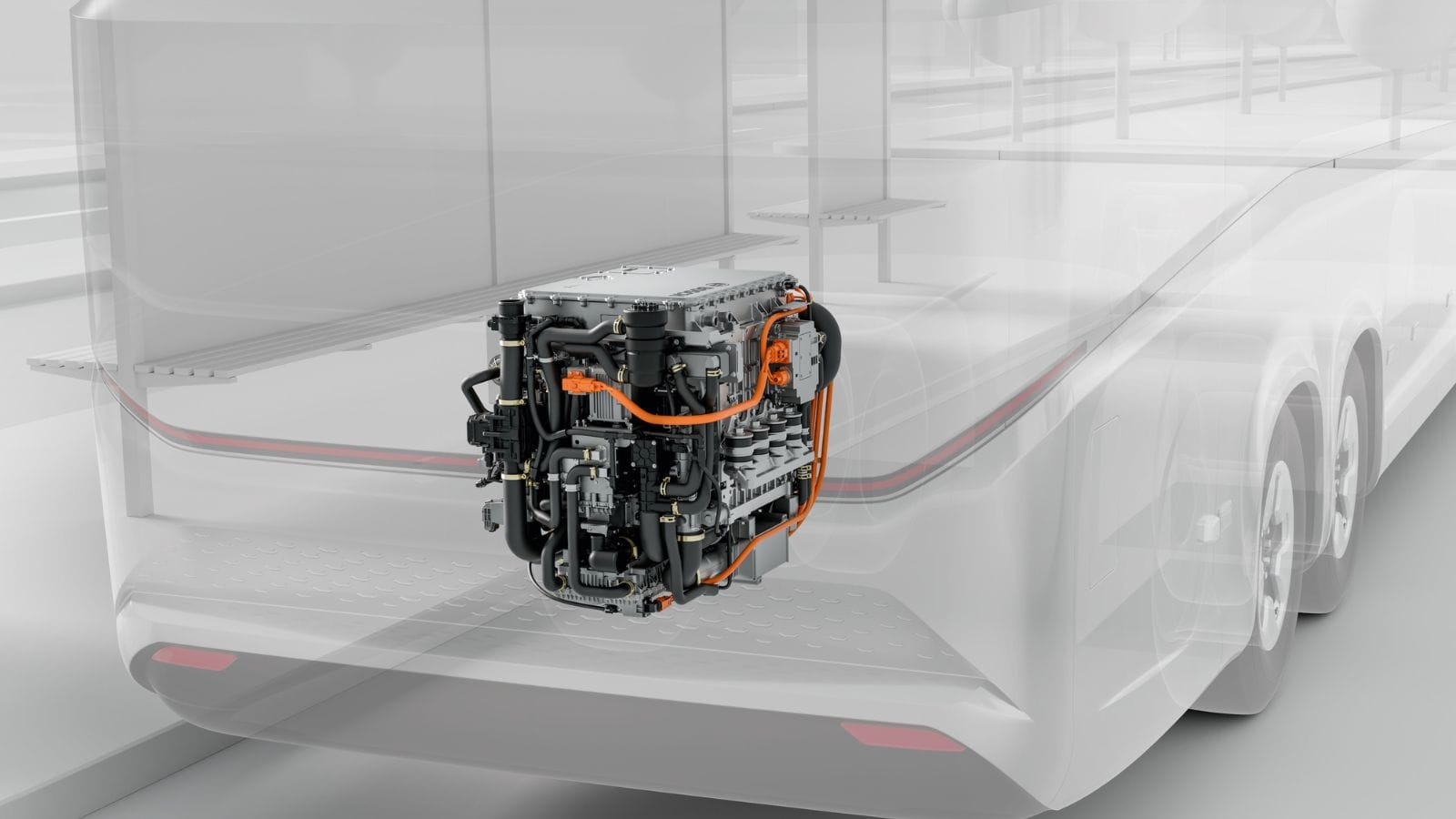
Beyond vehicle powertrains, Bosch launched its Hybrion PEM electrolysis stack in 2025 and is developing hydrogen combustion engine components, positioning itself across the production and consumption sides of the hydrogen value chain.
The timing reflects both regulatory pressure and market opportunity. EU rules require new city buses to cut emissions by 90% from 2030 and become fully zero-emission by 2035.
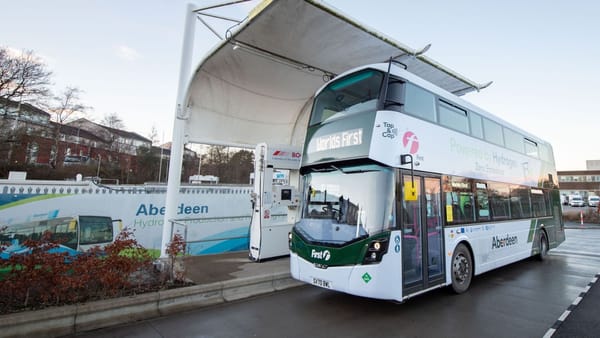
Hydrogen fuel cell buses accounted for roughly 5% of Europe's zero-emission bus registrations in the first half of 2025, with battery-electric buses taking the remaining 95%.
That small share has grown - 279 hydrogen buses were registered in Europe in the first 6 months of 2025, up from 53 in the same period the previous year - but the segment remains marginal against battery alternatives.
"In addition to battery-electric buses, fuel-cell electric vehicles can also be used to combat climate change," said Jan-Oliver Röhrl, executive vice president of the Bosch Power Solutions division. "The fuel cell is especially well-suited for buses that travel longer distances every day and rarely have the opportunity to charge en route."