New Flyer orders 500 Ballard fuel cell engines in largest deal yet
The 50-megawatt order will power hydrogen buses across North America, building on a partnership that began in the 1990s.

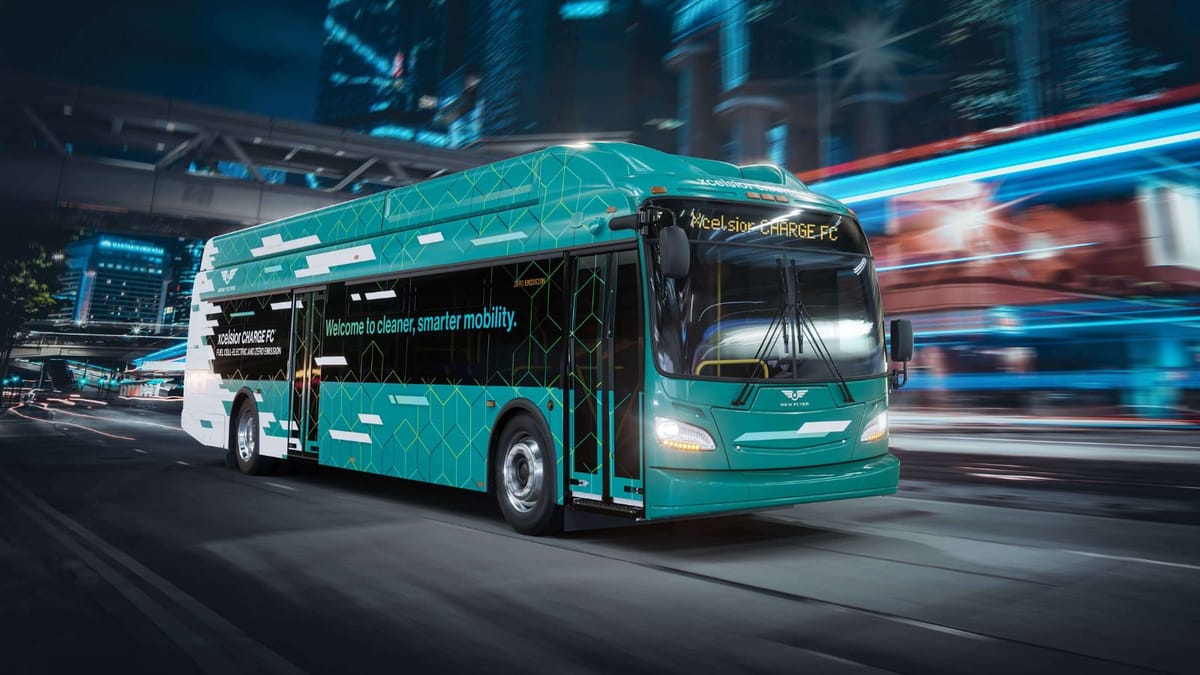
Ballard Power Systems will supply 500 hydrogen fuel cell engines to New Flyer for deployment in transit buses across North America, doubling the pace of the partnership that has been running since the late 1990s.
Announced this week, the order for 500 FCmove-HD+ engines - totalling 50 megawatts of power - is the largest single commitment New Flyer has made to Ballard under their current supply framework, which dates back to January 2024. That agreement started with a 100-engine order, followed by 200 engines in November 2024. This latest batch more than doubles the total again, with deliveries starting in 2026.
What's being ordered
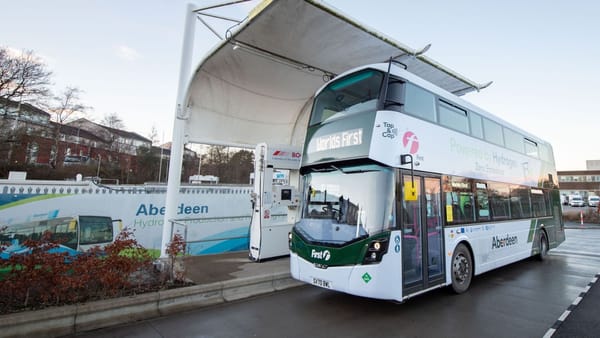
The engines will power New Flyer's Xcelsior CHARGE FC hydrogen buses in 40-foot and 60-foot configurations. New Flyer remains the only North American bus manufacturer to offer both lengths in a fuel cell-electric model that qualifies for federal transit funding. The buses have been ordered by US transit agencies including SamTrans (108 units), Orange County Transportation Authority (40 units), and fleets in California, Washington, Arizona, Nevada, and New York.
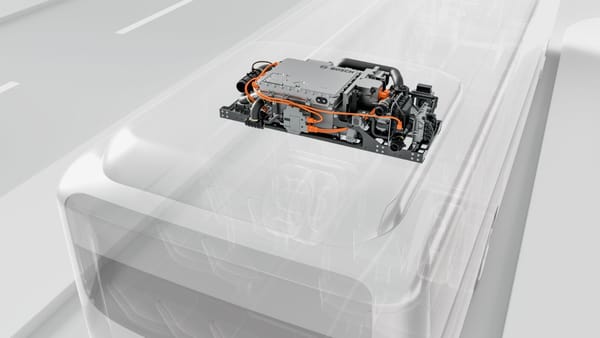
The FCmove-HD+ is a 100 kW proton exchange membrane (PEM) fuel cell engine designed for heavy-duty transit applications. Ballard claims 98% availability across its global bus fleet, which it says now exceeds 2,200 vehicles and 250 million kilometres of operation.
Context and competition
Ballard has been supplying fuel cells to New Flyer since the two companies ran pilot trials in Chicago and Vancouver back in 1998. The relationship has been renewed and expanded several times since, though it has never produced orders at this scale. The timing coincides with strong US federal support for zero-emission transit: the FTA's Low-No programme has channelled billions into hydrogen and battery-electric buses, with California alone committing to 100 hydrogen refuelling stations as part of its push toward 1.5 million zero-emission vehicles.
North American demand for hydrogen buses has been building slowly but consistently, concentrated in California and a handful of other states with aggressive clean air mandates. Hydrogen buses cost roughly $750,000 to $900,000 per unit - significantly more than diesel or battery-electric alternatives - but proponents argue the technology makes sense for routes where range and refuelling speed are critical.
Ballard's bigger recent commitment was the 1,000-engine order from Polish bus manufacturer Solaris, signed in April 2024 and scheduled for delivery through 2027. That deal covered the European market and consolidated several existing orders. The New Flyer agreement is narrower in scope but represents a similar vote of confidence from the North American side.
What it means
Ballard is positioning this as validation of the company's strategy to grow through long-term supply agreements rather than one-off orders, bundling engines with fleet services including training, parts, and operational monitoring. Whether the order translates into revenue depends on New Flyer securing customer contracts - the engines are ordered against anticipated demand, not against buses already sold.
New Flyer's parent company NFI reported a $13.2 billion total backlog as of late 2025, with hydrogen and battery-electric buses forming a growing but still modest share of that figure. The company has been "propulsion-agnostic" in its messaging, offering hybrid, diesel, battery-electric, and fuel cell options depending on what transit agencies want to buy.